16 June
Daaji rose early, and after light refreshments, he prepared for a special visit—one rooted in the sacred geography of both Lord Krishna’s life and Babuji Maharaj’s biography. A small group traveled with him by car, leaving before sunrise.
Their destination was a quiet, almost-forgotten spot on the banks of the Yamuna River, where it is believed Lord Krishna was cremated. The location is marked only by a modest memorial, a single stone platform near the base of a railway bridge. At first glance, it appears ordinary, easy to miss. But its significance is known within the tradition, recorded in the biography of Babuji Maharaj, and preserved now through Daaji’s attention.
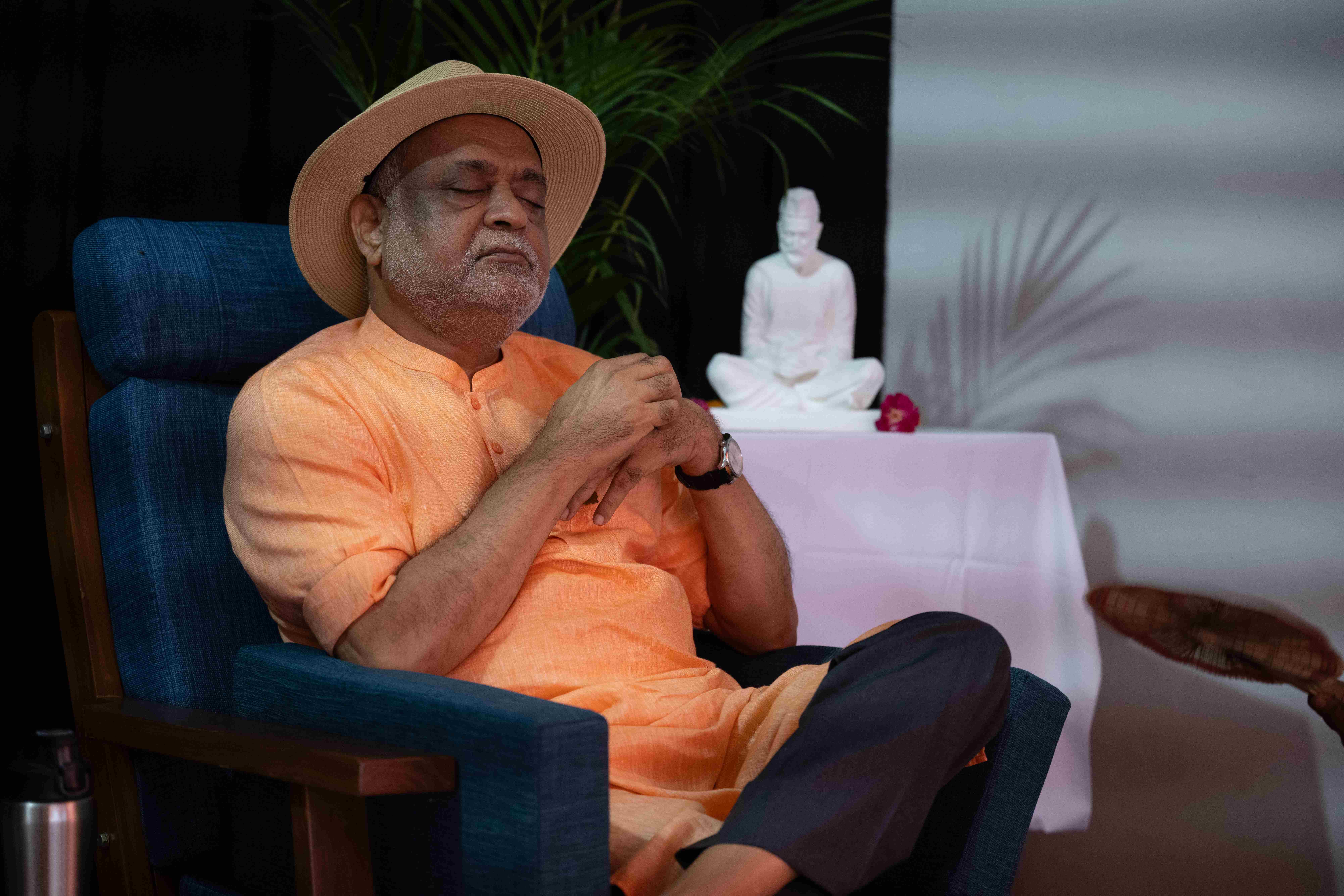
Chairs had been arranged along the riverbank. Despite the overcast sky, a few abhyasis had gathered. As Daaji conducted a short meditation, the sound of distant thunder began to roll, and light rain started to fall as though the moment itself was being marked from above.
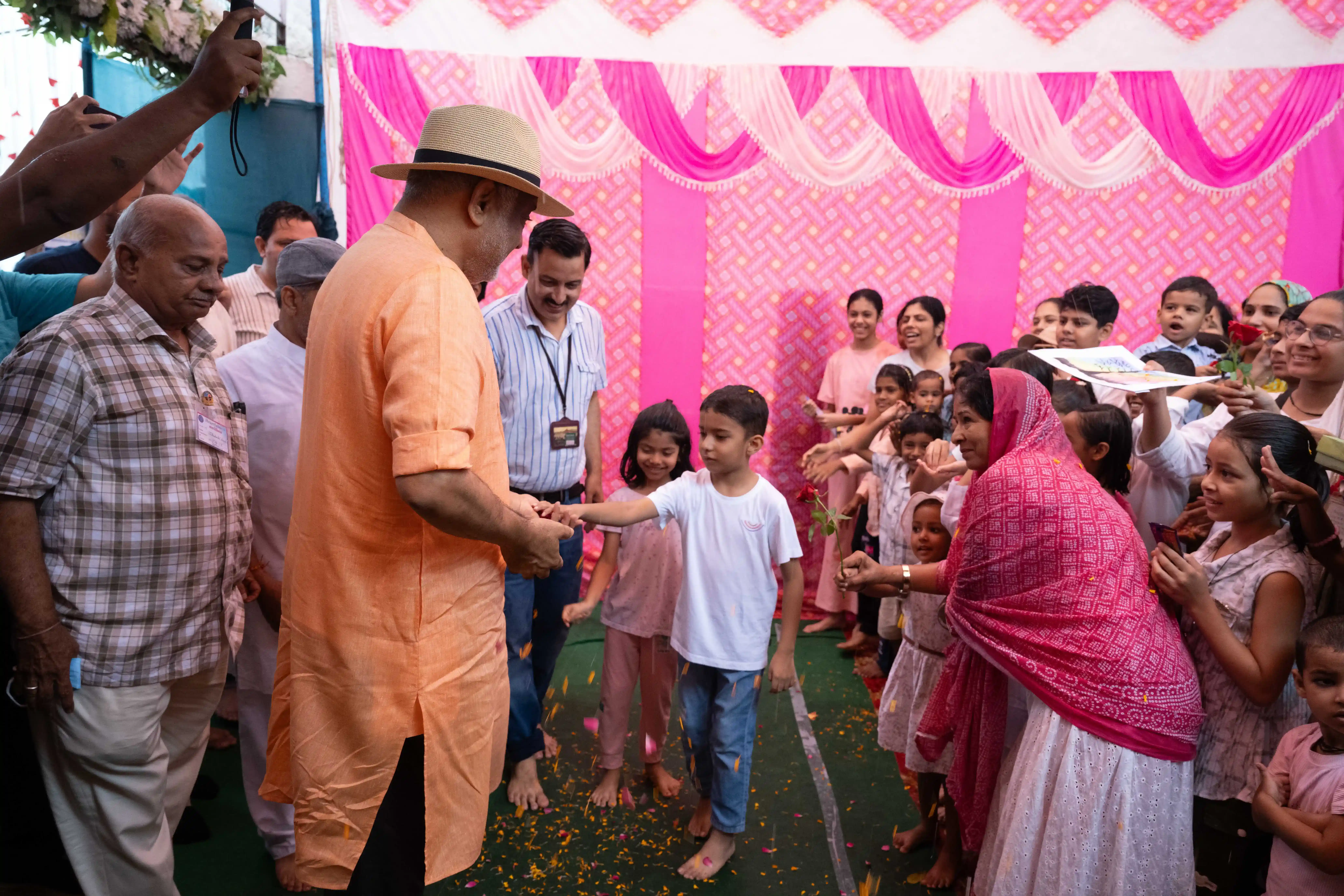
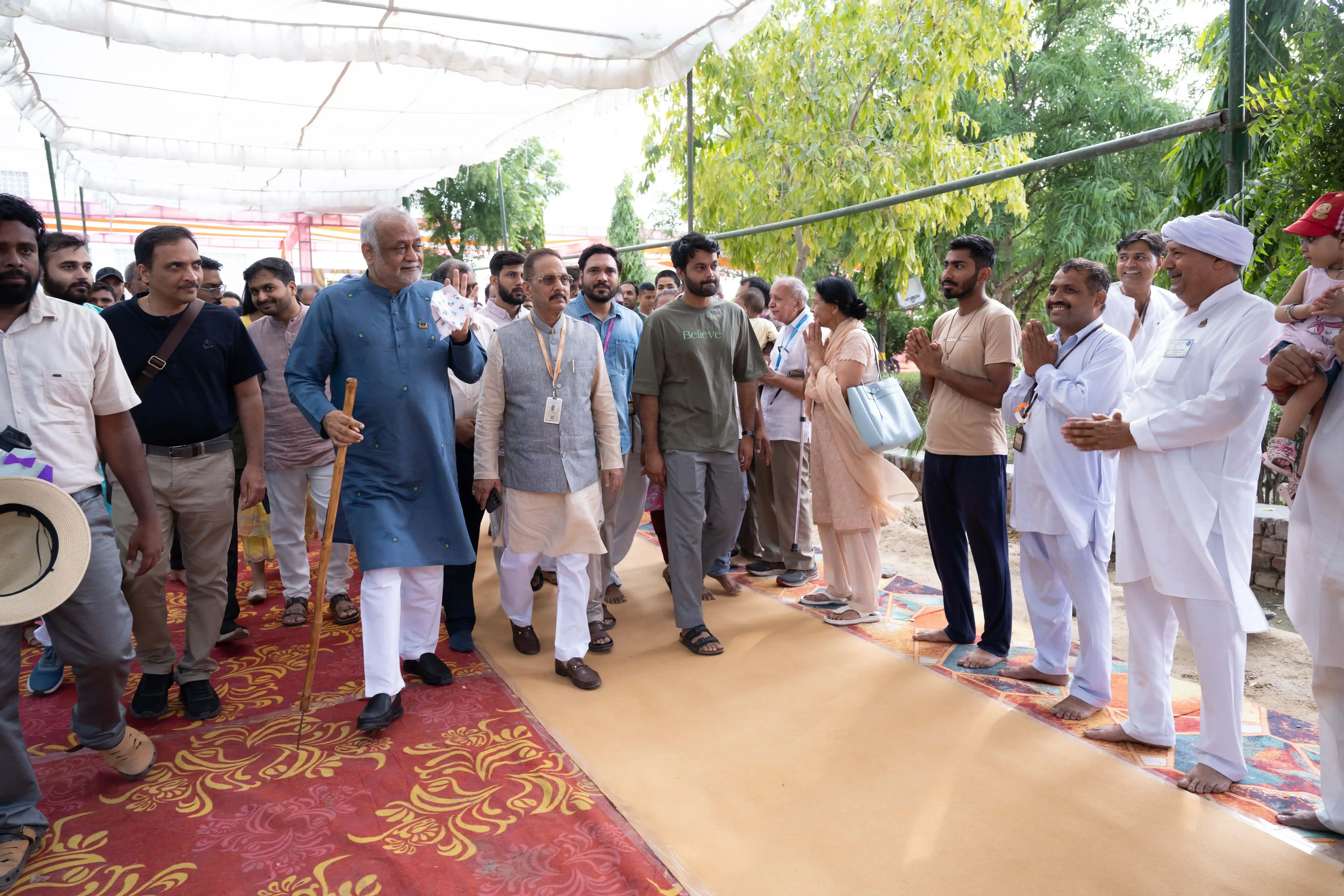
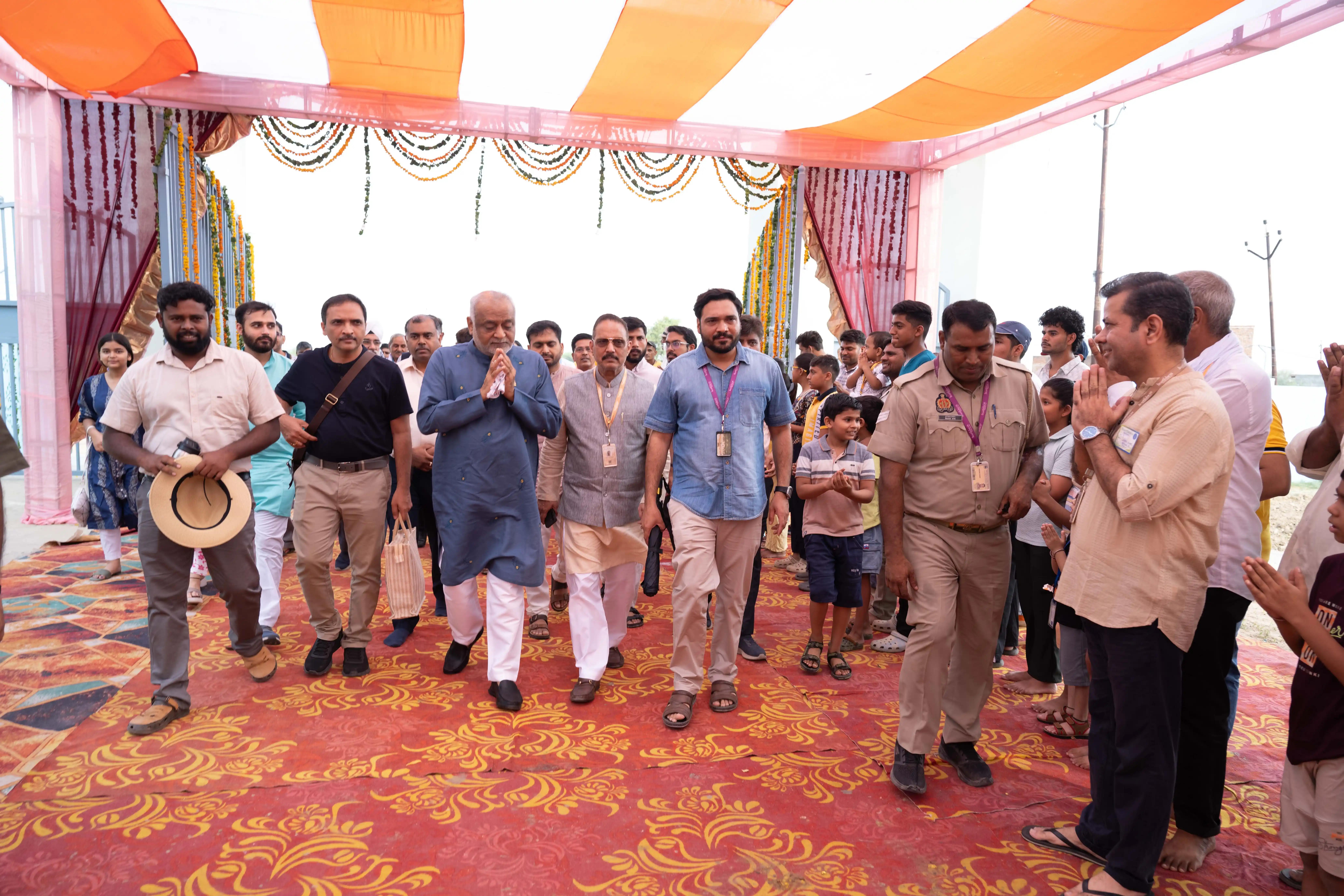
From there, the group continued to the nearby village of Iglas, located in the heart of Uttar Pradesh. On the surface, it looked like many other villages—narrow lanes, modest homes, small temples—but there was something unique there: almost every household in Iglas belongs to an abhyasi.
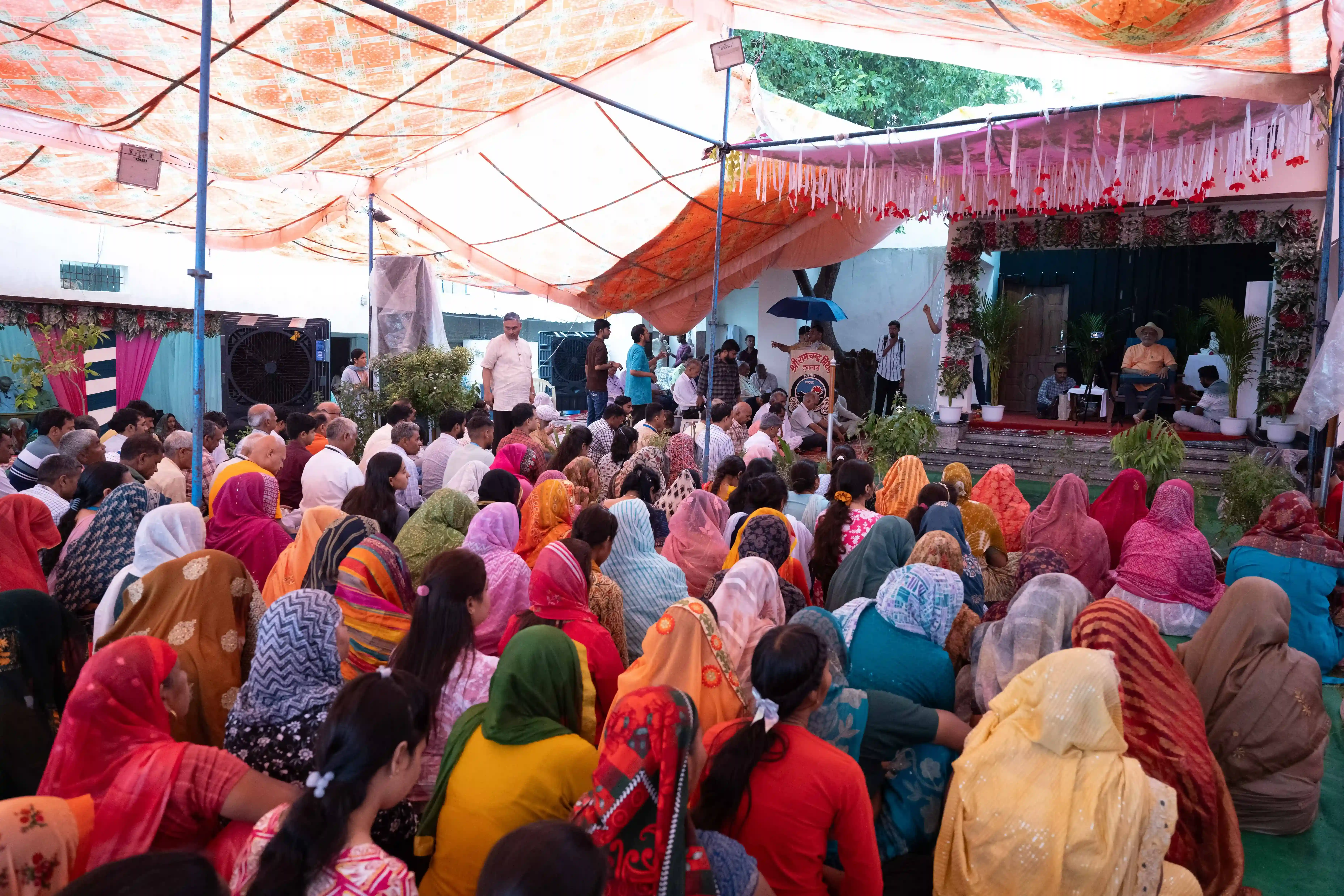
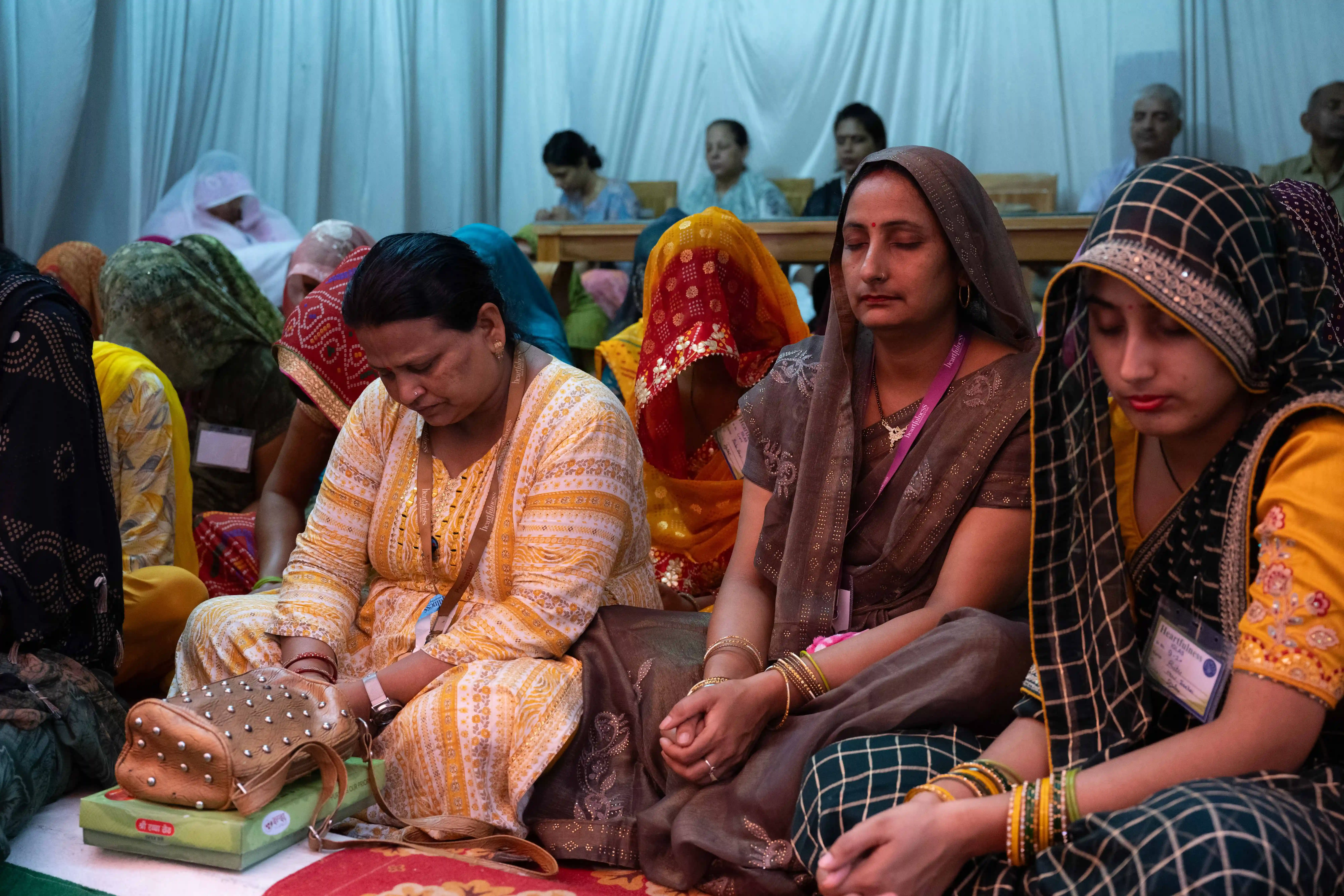
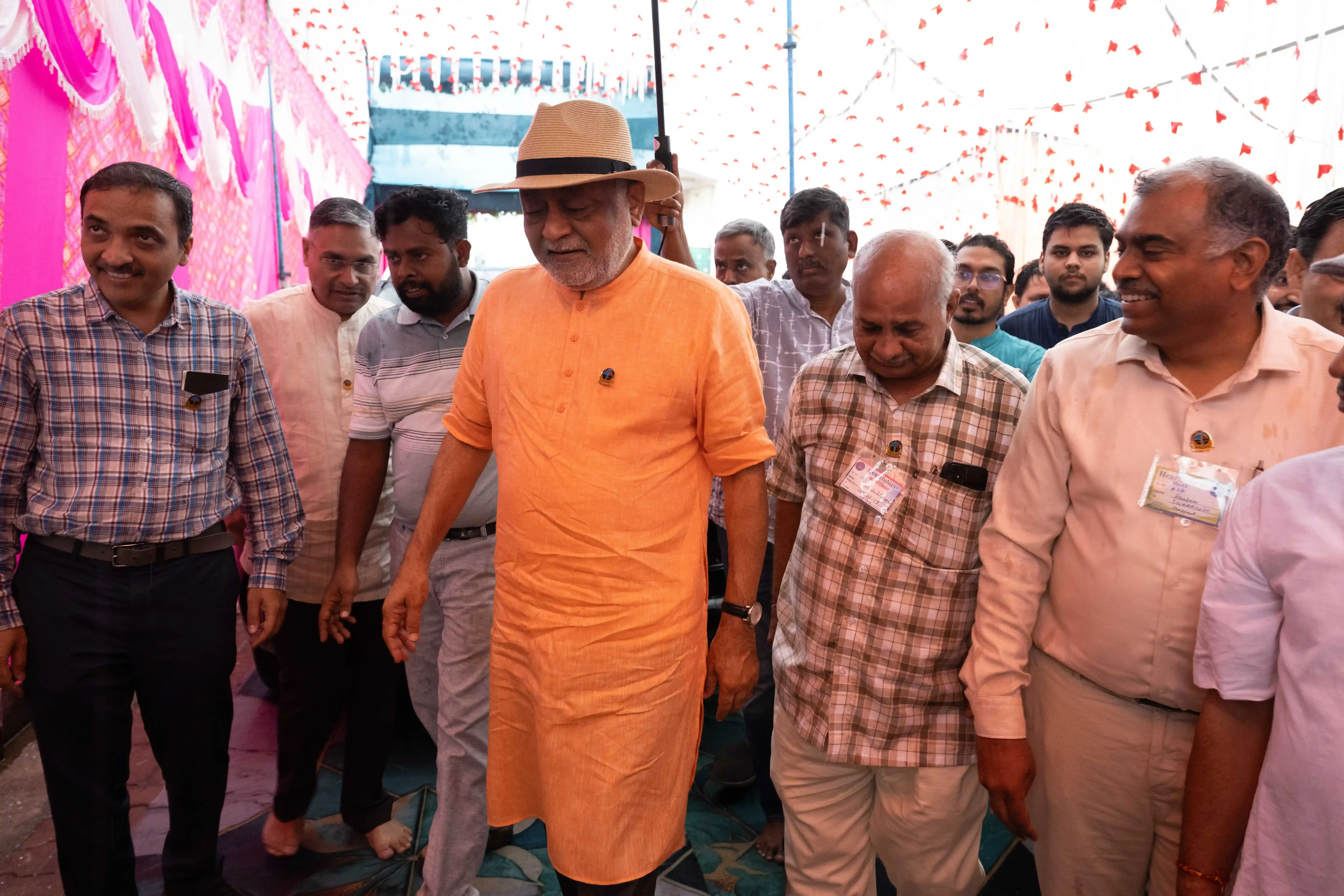
The villagers had prepared a tent next to their small local ashram. Daaji conducted meditation under the tent as rain fell steadily, soaking many of the abhyasis seated at the edges. But no one moved. The silence was deeper than the weather.

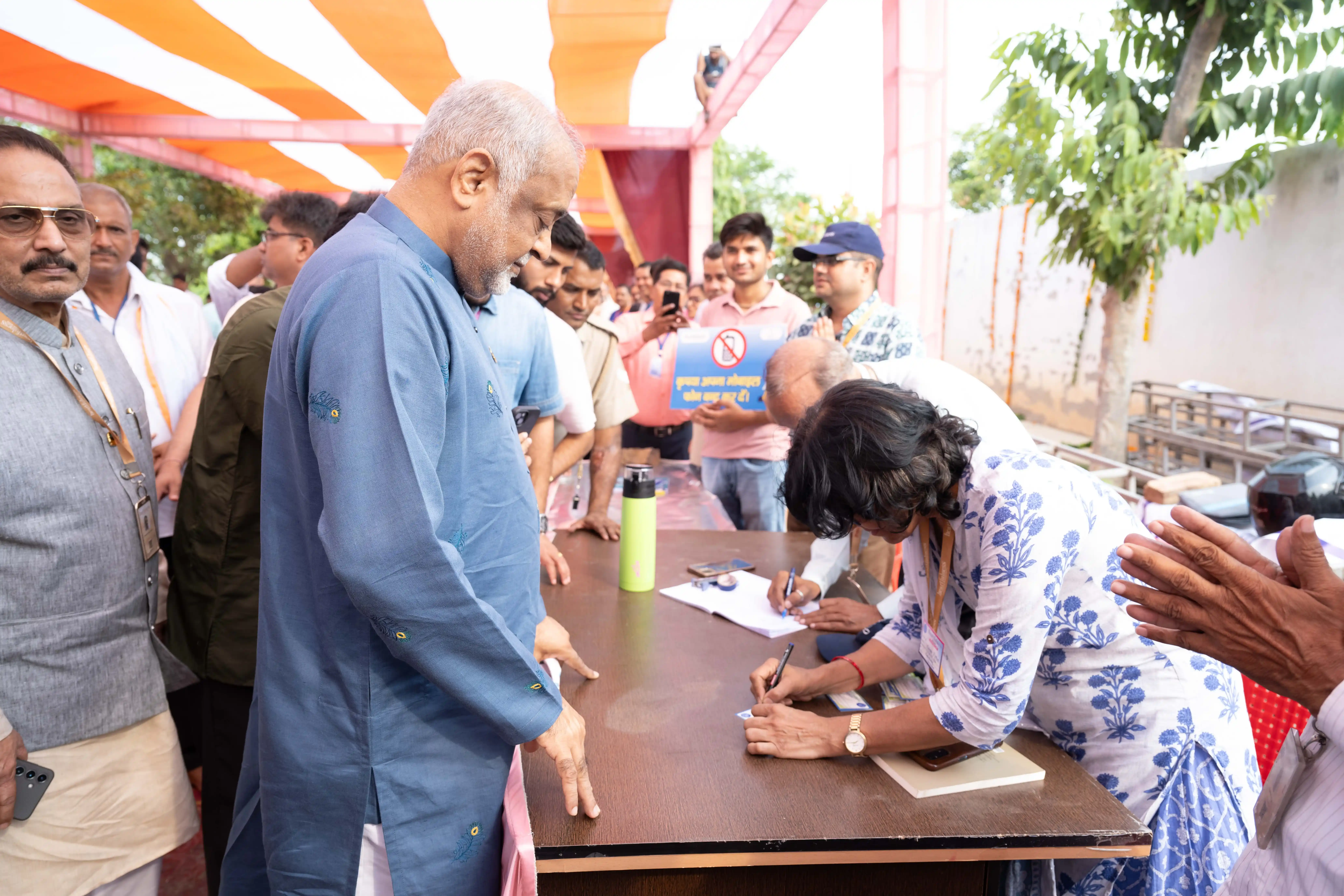
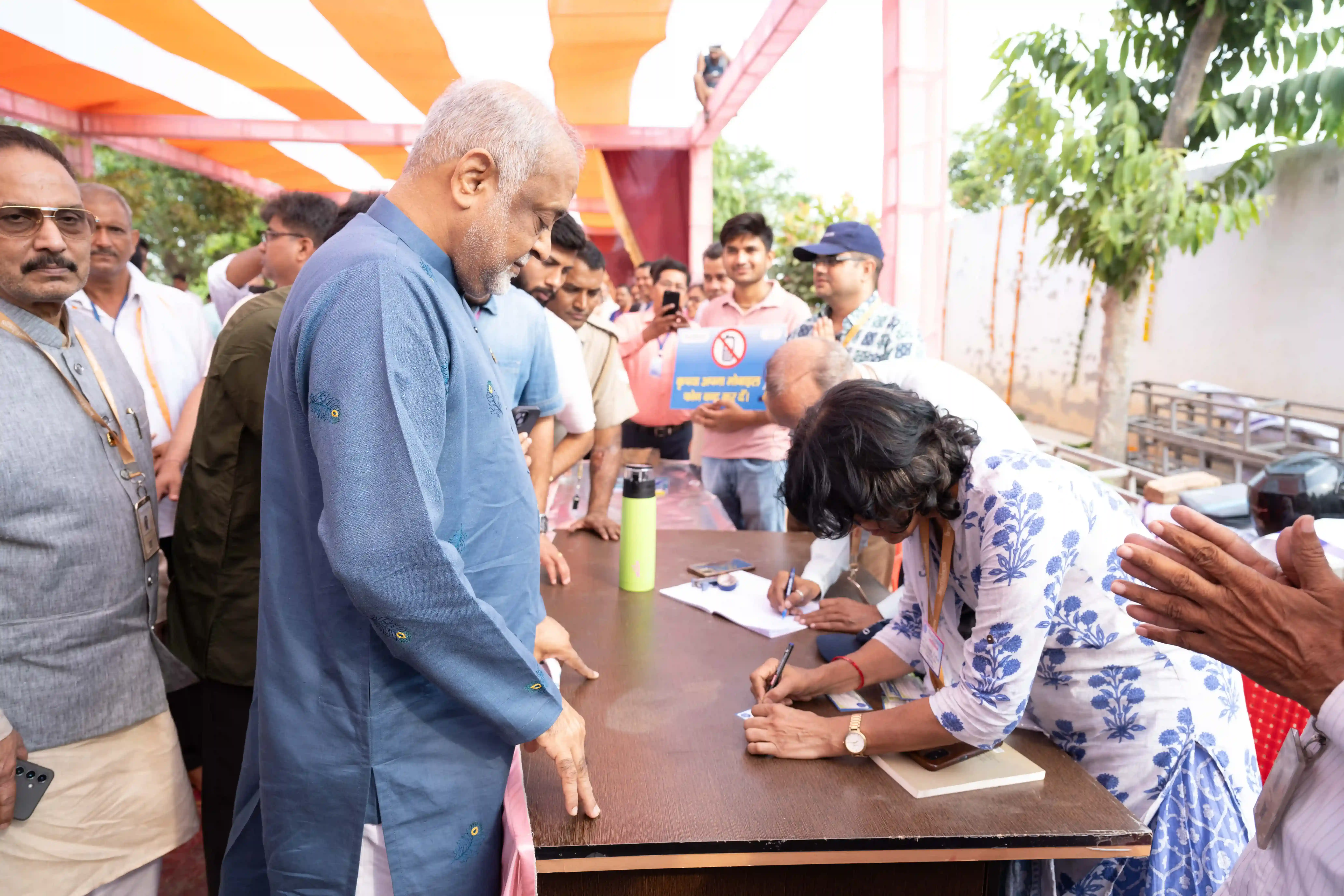
After meditation, Daaji moved to a tiny room inside the one-room cottage used as the ashram. There, he remained for some time as abhyasis entered one by one to meet him. He gave each of them time, listening, exchanging a few words, or simply sitting together in silence. From Iglas, Daaji proceeded towards Aligarh, arriving there in the early evening.
Stay tuned for more events from Daaji’s travels in Aligarh, Uttar Pradesh.